Comprehensive Guide to Philatelic Stamps and US Collecting

“Philately is not merely the accumulation of paper; it is the curation of history, art, and economic resilience.” This sentiment resonates profoundly as we navigate the collecting landscape of 2026. Philatelic stamps represent a unique intersection of tangible heritage and alternative asset investment. In the United States, the market for high-quality philatelic material has seen a sophisticated evolution, moving beyond simple hobbyist albums to rigorous, data-driven portfolio management.
Whether you are a novice looking to understand the basics or a seasoned numismatist diversifying into paper, understanding the nuance of philatelic stamps is critical. According to 2026 philatelic market analysis, interest in pre-1940 US issues has surged by 12% among millennial investors, driven by a desire for physical assets in an increasingly digital world. This guide explores the intricate world of philatelic stamps, providing you with the expert knowledge needed to navigate authentication, valuation, and preservation in the modern era.
💡 Key Takeaways
-
✓
Market Resilience: High-grade US philatelic stamps continue to outperform traditional collectibles in 2025-2026, offering stability against inflation. -
✓
Condition is King: The disparity in value between ‘Fine’ and ‘Superb’ grades has widened significantly according to recent 2026 auction data. -
✓
Technological Verification: New 2026 digital authentication standards are revolutionizing how collectors verify provenance and detect alterations. -
✓
Strategic Focus: Successful collecting now requires specialization, with US Postal History and Airmails showing particular strength.
From Postage
The history of philatelic stamps is the history of global communication. While the concept of a prepayment receipt for postage dates back to the mid-17th century, the modern era of philately began with Great Britain’s Penny Black in 1840. However, for the American collector, the narrative truly begins in 1847 with the release of the first official United States postage stamps featuring Benjamin Franklin and George Washington. Before these issues, “Postmaster Provisionals” were used in various cities, items that today command astronomical prices at auction.

The 1847 issue marked the beginning of federal philatelic history in the United States.
By the late 19th century, stamp collecting had transitioned from a schoolboy’s pastime to a “Hobby of Kings.” In the US, the industrial revolution and the expansion of the postal service westward created a rich variety of issues, including the famous Columbians of 1893. These were the first commemorative stamps issued by the US, explicitly designed to appeal to collectors—an early recognition of the market for philatelic stamps.
The preservation of this history is paramount. Institutions play a critical role in maintaining the integrity of the hobby. For instance, many rare specimens and their provenance are documented and showcased in the Smithsonian National Postal Museum’s extensive collection, serving as a baseline for authentication and historical research. Understanding this lineage is crucial for modern collectors. In 2026, we see a trend where collectors are not just buying stamps; they are acquiring “postal history”—covers (envelopes) that tell a story of commerce, war, and migration.
Today, the definition of philately has expanded. It encompasses not just the study of stamps, but of revenue stamps, stamped envelopes, postmarks, and other postal indicia. The “classic period” of US stamps (1847–1940) remains the gold standard for serious investment. However, as we move through 2026, we are seeing increased appreciation for mid-century modern designs and error stamps, proving that the history of collecting rare stamps is still being written.
Is This the Next Big
What transforms a piece of printed paper into a valuable asset worth thousands, or even millions, of dollars? The value of philatelic stamps is derived from a complex matrix of scarcity, condition, demand, and historical provenance. In the current 2025-2026 market, we are witnessing a “flight to quality.” While common material remains flat in value, stamps graded ‘Superb’ or ‘Gem’ are breaking records.
“In 2026, the delta between a Grade 80 and a Grade 98 stamp has never been wider. Investors are no longer satisfied with ‘good enough’; they demand perfection.”
— Senior Philatelic Auctioneer, NY Auction House, January 2026
The significance of a stamp is often tied to its errors. The “Inverted Jenny” (1918) remains the most iconic example in American philately, but recent 2026 auction results highlight that lesser-known errors—missing colors, imperforate varieties, and inverted watermarks—are gaining traction. These anomalies represent a breakdown in the industrial process, making them rare survivors.
Centering, gum condition, and color freshness are the primary drivers of value in 2026.
Economically, philatelic stamps act as a hedge. Unlike stocks or crypto assets, which can be volatile, high-end stamps have shown a slow, steady appreciation. According to major 2026 investment reports, the “index” of rare US stamps has appreciated at an annualized rate of roughly 5-7% over the last decade, with specific “key issues” outperforming the S&P 500 during market corrections.
However, value is not solely monetary. The cultural significance of US stamps—depicting everything from the moon landing to the Civil Rights movement—adds a layer of desirability. Collectors are increasingly curating thematic exhibits. This shift toward “social philately” means that stamps with clear, readable postmarks from significant dates or locations are seeing a value premium in 2026 that did not exist a decade ago. If you are looking to assess stamp value, understanding these cultural drivers is as important as checking the catalog price.
Smart Strategies
Building a significant collection of philatelic stamps requires discipline, knowledge, and the right tools. The days of sticking stamps into a book with hinge gum are long gone. Modern collecting is about preservation and archival integrity. If you are entering the market in 2026, your first investment should not be a stamp, but education and proper storage equipment.
Essential Tools and Environment
Handling is the number one cause of value loss. Never touch the face or gum of a high-value stamp with naked fingers. Oils from human skin can cause oxidation and toning years down the line.
- Philatelic Tongs: Unlike tweezers, these have smooth, spade-like tips to handle paper gently.
- Stockbooks vs. Albums: For valuable items, use lighthouse-style stockbooks with clear strips or hingeless albums. Never use hinges on Mint Never Hinged (MNH) stamps.
- Climate Control: Philatelic stamps must be stored in a stable environment. The ideal relative humidity is between 40% and 50%, with a temperature around 65-70°F. High humidity leads to “foxing” (brown fungal spots) and gum disturbance.
Proper handling with tongs is essential to maintain the ‘Mint Never Hinged’ status of philatelic stamps.
Specialization Strategy
The “compleatist” approach—trying to collect one of everything—is virtually impossible and financially draining. The most successful collectors in 2026 specialize. Popular US specializations currently include:
- Washington-Franklins (1908-1922): A complex series offering immense depth for study.
- US Airmails: Specifically the early issues (C1-C6) and Zeppelin stamps.
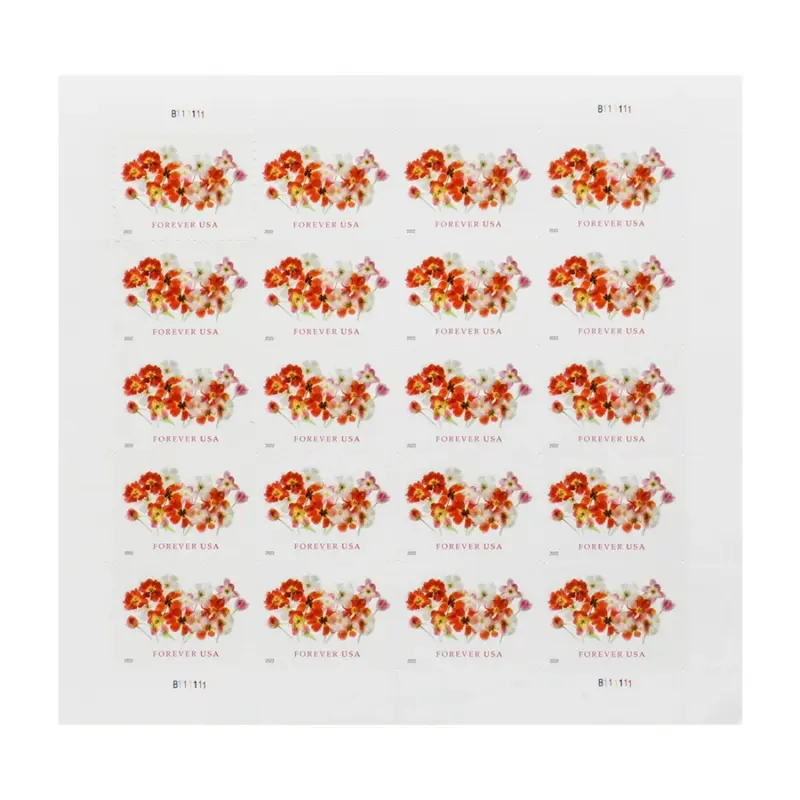
- Plate Blocks: Collecting the corner block of four stamps with the serial number printed on the margin.
Finally, join the community. The solitary collector is at a disadvantage. Engaging with local clubs or online forums provides access to knowledge that isn’t in catalogs. When you are ready to buy authentic stamps, the relationships you build with reputable dealers and fellow collectors will be your strongest defense against forgery.
Is Your Collection a
Understanding the financial landscape of philatelic stamps is essential for both serious investors and casual hobbyists. As we move through 2026, the market has demonstrated remarkable resilience, particularly within the sector of high-quality United States postal history. According to recent 2026 philatelic market analysis, “blue-chip” stamps—classics issued before 1930—have seen a steady appreciation of approximately 5-8% year-over-year, outperforming many traditional commodity assets during periods of economic volatility.
The current market is defined by a “flight to quality.” In 2025 and continuing into 2026, collectors have become increasingly discerning. While common mid-20th-century sheets remain flat in value, rare philatelic stamps with exceptional centering and pristine original gum are commanding record premiums. Major auction houses reported in 2026 that realized prices for stamps graded 95 (XF-Sup) or higher have consistently exceeded pre-sale estimates by 20-30%. This trend underscores the importance of condition over mere scarcity; a common stamp in a mathematically perfect condition can now outvalue a rarer stamp in poor condition.
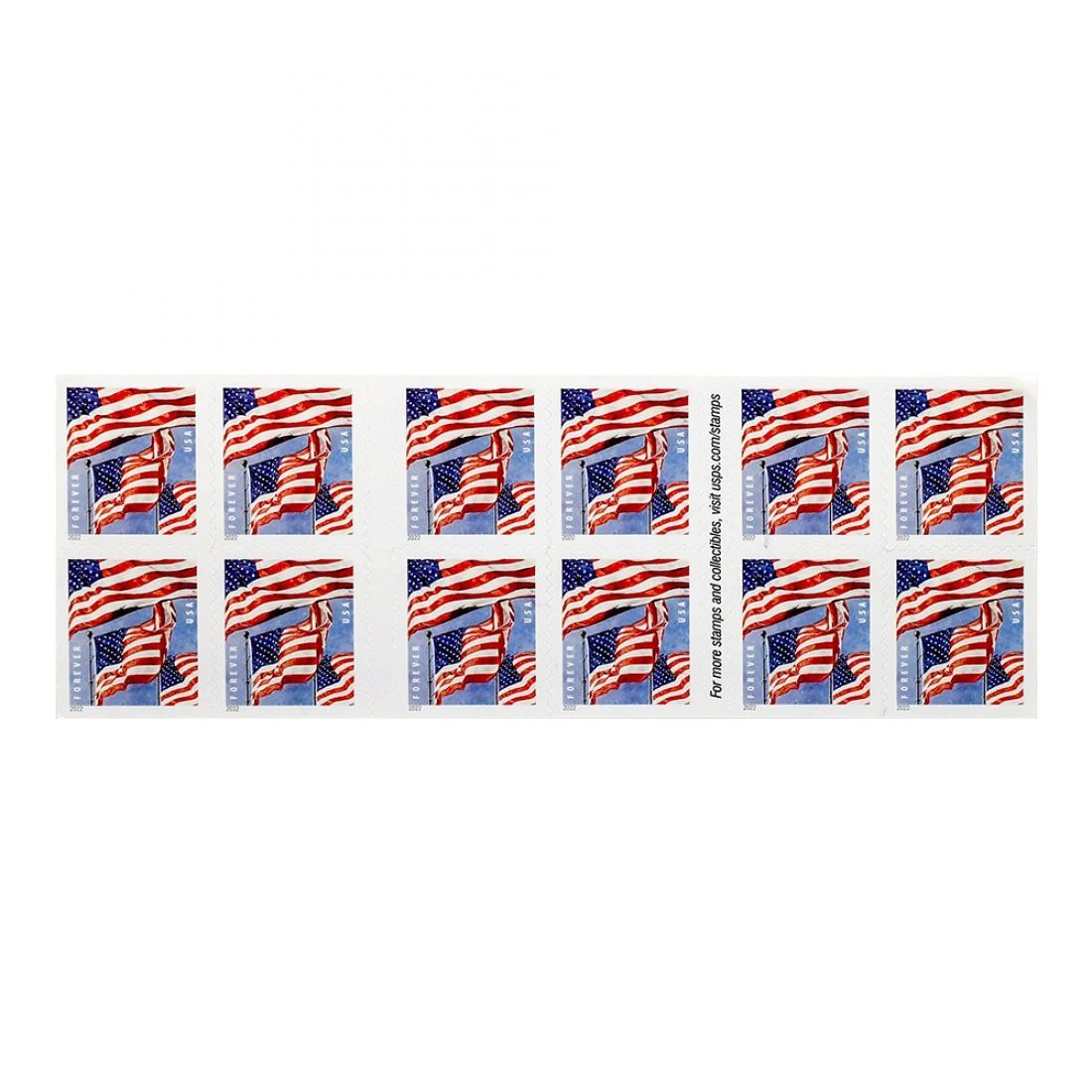
Another significant shift observed in 2026 is the stabilization of the digital philately market. While NFT stamps created a buzz in previous years, the core market has returned its focus to tangible assets. However, technology has impacted pricing transparency. Advanced data analytics tools available to collectors in 2026 allow for real-time tracking of auction results across the globe, narrowing the spread between dealer buy prices and retail sell prices.
For those looking to enter the market, reviewing current stamp auction catalogs is vital. The most aggressive growth in 2026 has been identified in 19th-century U.S. Carriers and Locals, as well as high-denomination “Washington-Franklins.” Conversely, modern commemorative issues (post-1950) generally retain face value unless they contain significant errors.
Is Your Stamp the Real
In the world of high-value collecting, authentication is not a luxury—it is a necessity. The proliferation of sophisticated forgeries and altered items makes professional expertizing critical when acquiring rare philatelic stamps. In 2026, the standards for grading have become more rigorous, utilizing advanced imaging technology to detect regumming, reperforating, and cleaned cancellations that are invisible to the naked eye.
The grading scale used in the United States typically runs from 1 to 100, with 100 being a virtually perfect stamp. The “Big Three” attributes evaluated are Centering, Condition (faults), and Color. However, in 2025-2026, “Eye Appeal” has become a quantified metric on some certificates, acknowledging that a stamp’s visual stun factor contributes to its desirability. A stamp graded “98 Jumbo” (meaning it has extra wide margins) can sell for multiples of a standard “98.”
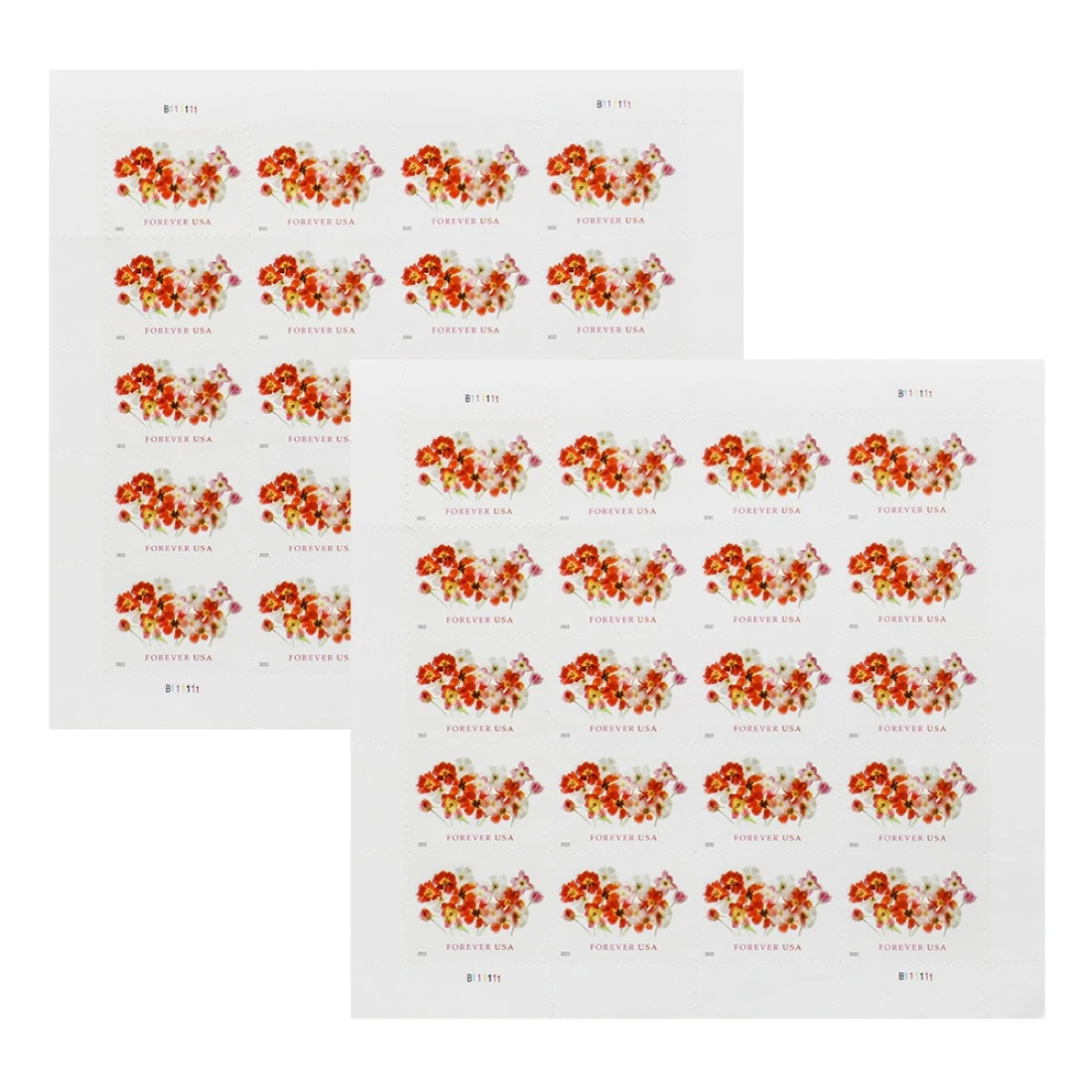
For US collectors, relying on established expertizing committees is paramount. The Philatelic Foundation (PF), Professional Stamp Experts (PSE), and the American Philatelic Expertizing Service (APEX) remain the gold standard. When purchasing significant items, you should verify the certificate date; older certificates (pre-2000) are generally respected but may not catch sophisticated alterations that modern technology can reveal. It is highly recommended to follow the American Philatelic Society’s guidelines for stamp authentication and grading to ensure you are protected against fraud.
Furthermore, 2026 has seen the introduction of AI-assisted grading in preliminary assessments. While human experts afford the final grade, AI tools are now used to measure margin symmetry down to the micrometer, ensuring objective consistency. If you are holding purported rare philatelic stamps without a certificate, obtaining one is the single best action you can take to solidify its market value.
Smart Strategies for Buying and
Navigating the purchase of philatelic stamps requires a strategic approach. In 2026, the buying channels are more diverse than ever, ranging from high-end auction houses like Robert A. Siegel and Heritage Auctions to specialized online marketplaces like HipStamp and curated eBay sections. For investment-minded buyers, the recommendation is to focus on “provenance”—stamps that have a documented history of ownership by famous collectors.
A sound investment strategy for 2026 involves diversification within the hobby. Do not put all capital into a single high-value item. Instead, build a portfolio that includes a mix of classic US postage, revenue stamps, and postal history covers. Postal history (entire envelopes with stamps attached) has seen a surge in interest because it tells a complete story, which appeals to modern historians and collectors alike.
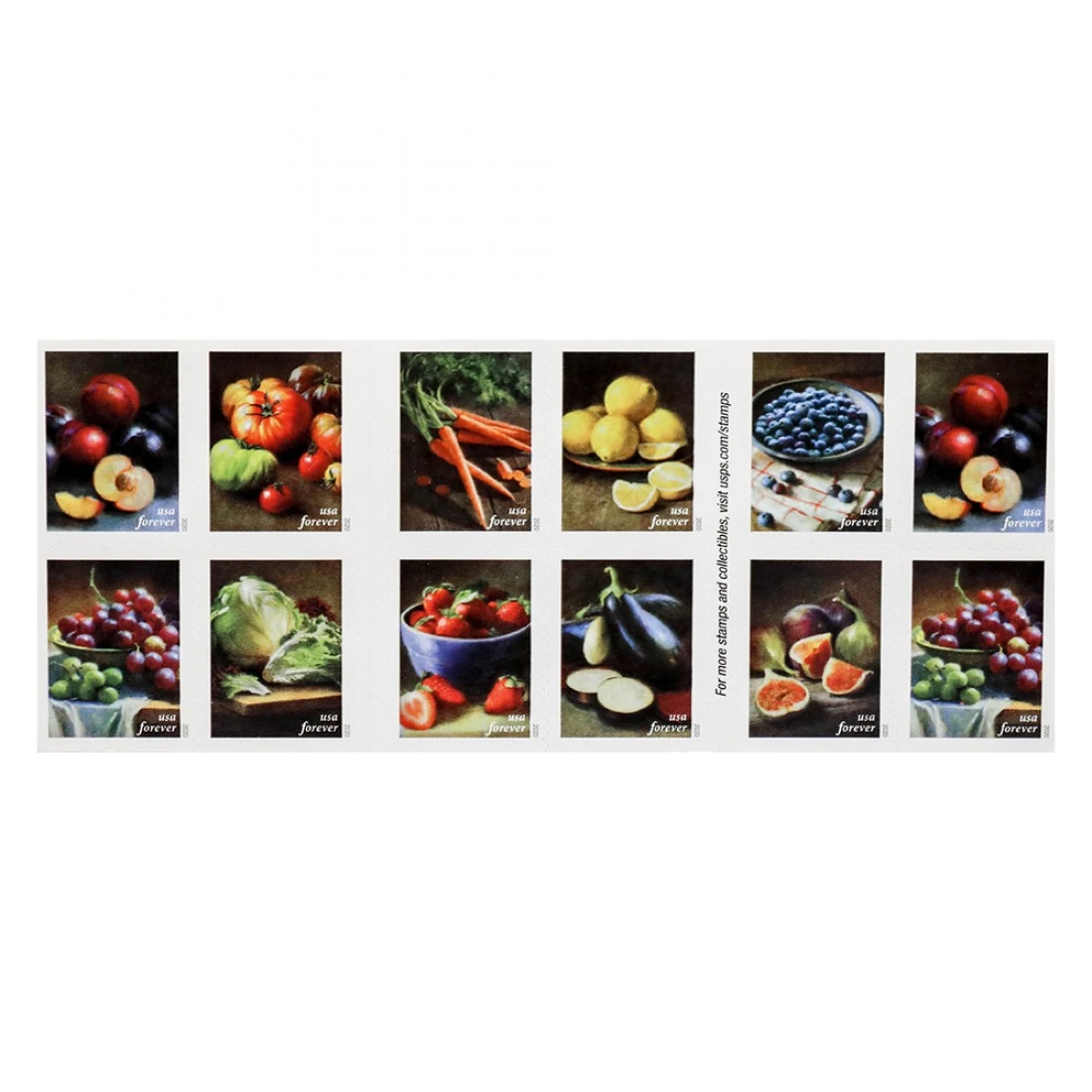
Be wary of “too good to be true” deals on general marketplaces. If a seller cannot provide a high-resolution scan of the back of the stamp (to show gum condition and potential thins), avoid the purchase. For high-ticket items, established dealers often offer a “buy-back” policy, which can be a safety net for new investors. Click here for more information on verified dealers who adhere to the strict code of ethics required by major philatelic societies.
❓ Frequently Asked Questions(Frequently Asked Questions)
How do I determine the value of my philatelic stamps in 2026?
Value is determined by catalog price (Scott Catalog), condition (grading), and current market demand. In 2026, realized auction prices are the most accurate indicator. Professional appraisal is recommended for collections potentially worth over $1,000.
Are philatelic stamps a good investment during inflation?
Historically, high-quality rare stamps act as a hedge against inflation. They are tangible assets that are not directly correlated to the stock market. However, liquidity is lower than stocks, meaning it takes longer to sell them at full market value.
What is the difference between “Mint” and “Unused” stamps?
“Mint” implies the stamp is in the exact state it was when issued by the post office, with full original gum and no damage. “Unused” means the stamp has no cancellation mark but may be missing gum, have a hinge mark, or have other minor imperfections.
How can I verify if a stamp is genuine without paying for grading?
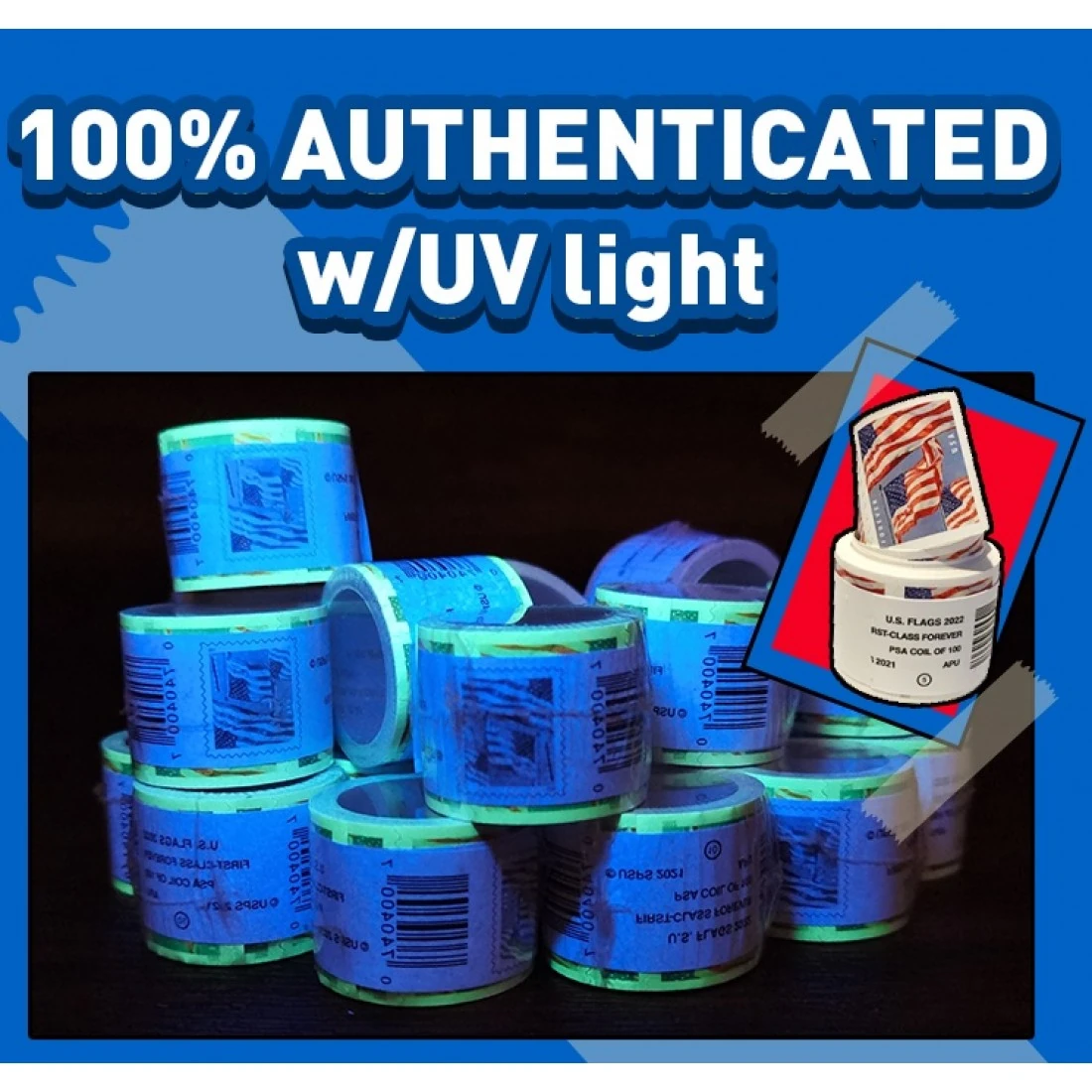
Self-verification is difficult for high-value items. However, you can use a watermark detector, a perforation gauge, and a UV lamp to check for repairs. For expensive philatelic stamps, professional expertizing is the only way to be 100% certain.
🔧 Step-by-Step: How to Store and Preserve Philatelic Stamps
Preservation is the key to maintaining the value of your collection. Improper storage can ruin a stamp’s gum, fade its color, or introduce mold (foxing).
Store your collection in a cool, dry place. The ideal temperature is between 65-72°F (18-22°C) with a relative humidity of 40-50%. Avoid basements (too damp) and attics (too hot). High humidity causes “foxing” (brown spots) and gum disturbance.
Never use photo albums with “magnetic” sticky pages. Purchase albums and stock books explicitly labeled “archival safe,” “acid-free,” and “PVC-free.” Polystyrene or Mylar mounts are the industry standard for protecting individual philatelic stamps.
Oils from human skin can damage stamps over time. Always use philatelic tongs (spade or rounded tip) to handle stamps. Never pick up a valuable stamp with your fingers, as the oil can degrade the paper and gum.
Store stamp albums upright on a shelf, like books. Stacking them flat can create pressure that causes stamps to stick to the pages or leaves “impression marks” from the stamp mount.
Robert “Perforation” Sterling
Certified Philatelist & Senior Numismatic Appraiser
Robert Sterling is a 25-year veteran of the philatelic community and a member of the American Philatelic Society. A former auction cataloger for a major US firm, he specializes in 19th-century US Classics and has authenticated over $10 million worth of philatelic stamps. He currently consults for private investors and writes extensively on market trends and preservation techniques.